The new WOF rules bring 2-year warrants from 1 November 2026, but not for every car. Light vehicles aged 4 to 14 move from an annual WOF to one every 2 years straight away only if they were registered on or after 1 November 2019. Cars registered between November 2013 and October 2019 wait until 1 November 2027.
The label already on your windscreen keeps its date. NZTA says current expiry dates stay the same and the new frequency applies from the vehicle's next WOF.
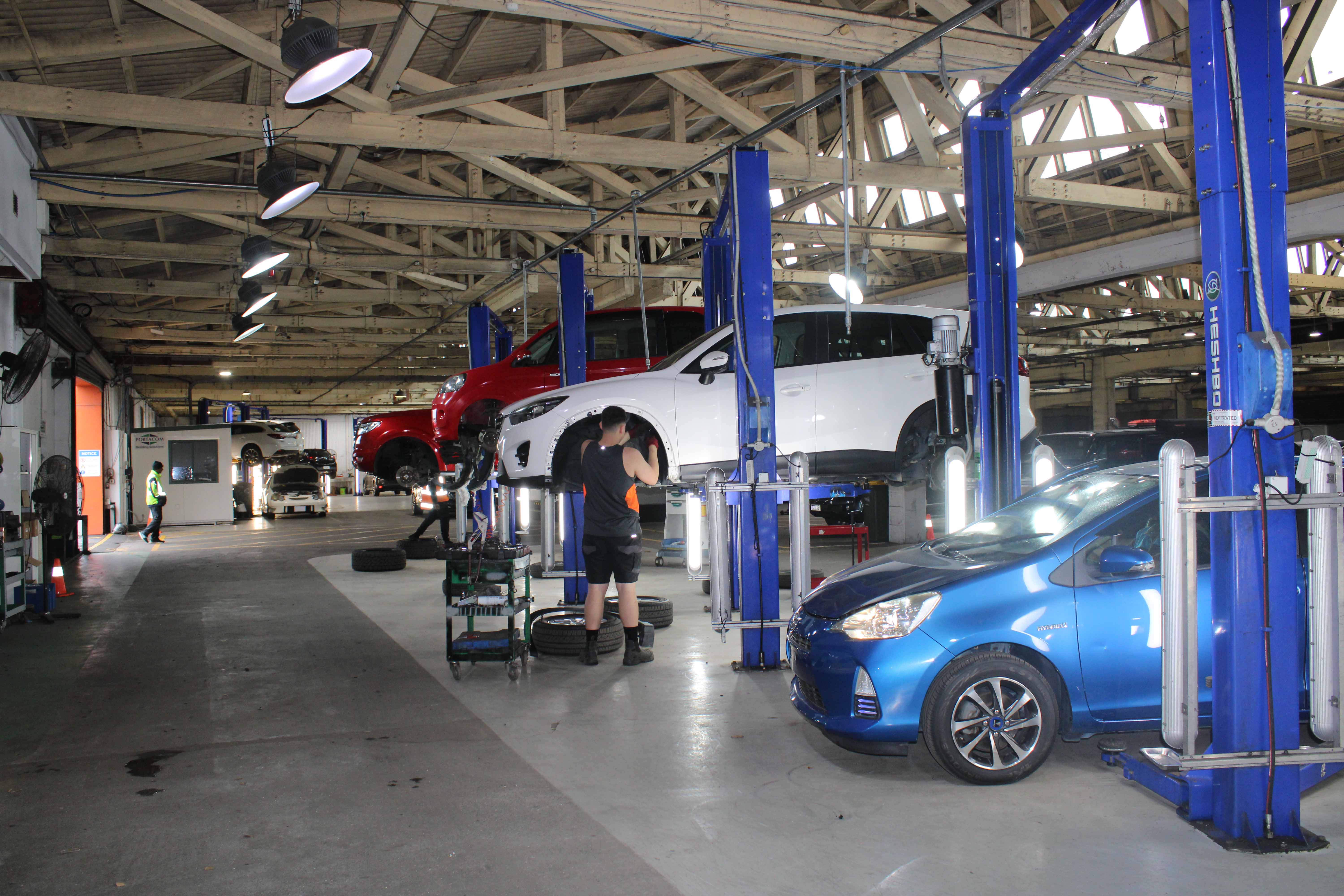
Fasttrack Compliance complies imported vehicles for New Zealand roads and provides WOF inspections, car servicing and mechanical repairs at its Auckland branch in Penrose and its Christchurch branch in Waltham.
Most cars between 4 and 14 years old will need a WOF every 2 years, and every car over 14 will be on an annual WOF. The groups below come from NZTA's table of changes to light vehicle inspections.
From age 14 the table puts a car back on an annual WOF, so the 2-year cycle covers around 10 years of its life.
The switch happens at the first WOF inspection after the start date for the car's group, and until then the current label runs its full term.
Three cars whose current WOFs all expire in March 2027 show how the phasing works. The dates below are illustrative and assume each car passes on time.
From March 2027 to February 2029, the hatchback would need one inspection, the wagon two and the ute two, against two, two and four under the old rules.
NZTA's inspection manual bases WOF periods on the vehicle's date of first registration anywhere. For a used import, that is typically the date it was first registered overseas.
So a Japanese import first registered in Japan in 2018, then put through vehicle compliance on arrival last month, should count as a 2018 car. Expect it to wait for the November 2027 group, even though its New Zealand plates are only weeks old. The change table itself speaks only of registration dates and does not spell out the overseas case.
Inspectors must find the correct expiry date on NZTA's system before a label is issued. For dealers, the car's first-registration date is worth confirming before a listing promises a 2-year WOF.
The ADAS check looks for a warning or malfunction light from an advanced driver assistance system fitted to the car. Under the new inspection manual section, a lit indicator is a reason for rejection.
The check is narrow: inspectors are not required to road test the systems, check sensor calibration or confirm the features work.
NZTA's examples include Lane Keep Assist and Automatic Emergency Braking. Start the car and watch the dash before booking, especially if the windscreen or front bumper was replaced recently, as driver assistance cameras and sensors commonly sit there.
A car that fails its WOF can be driven only to bring it into compliance, such as a trip to the repairer, provided it is safe for that purpose.
NZTA's rule on operating without a current WOF sets the same limit when the old label still has months to run. Any fail has to be put right before the car returns to ordinary use.
The 28-day window after a fail only decides whether the recheck is free and when a new inspection starts, and gives no extra permission to drive.
At Fasttrack, inspections and WOFs are carried out on site by inspectors from VINZ, an NZTA-approved inspection agency.
From 1 November 2026, the infringement fee for a WOF expired by more than 2 months is $350, up from $200, according to NZTA's notice of the changes. Non-compliant tyres or wheels move to $350 as well, from $150.
Booking too early can also cost WOF time. Under the inspection manual's reference-date rule, a pass within 14 days of the expiry date generally runs the new label from that expiry date. Pass 6 weeks early and the label normally runs from 14 days after the inspection, so about 4 weeks are lost.
No motorcycle moves to a 2-year cycle under the new frequency table. Bikes newer than the cut-off date in the list above keep an annual motorbike WOF, and older bikes go from every 6 months to once a year.
Until the car is 4 years old, if it is first registered once the new rules start. A new car already on the road should keep its current label's expiry, the third anniversary of first registration.
It has to be the same inspecting organisation, though another of its sites is fine. Go somewhere else, or come back after 28 days, and you pay for a fresh full inspection.
Anything on the existing WOF checklist can still fail a car, from tyres, brakes and lights to safety belts, airbags, steering, suspension and structural rust. The ADAS warning light is the new check in NZTA's notice, and the manual's brake section is also revised from 1 November.
Look up the car's first-registration date, find its group in the list above and note the next expiry date. Then open Fasttrack's WOF inspection page for Penrose (Auckland) or Waltham (Christchurch) and book a slot inside the 14 days before that date.
