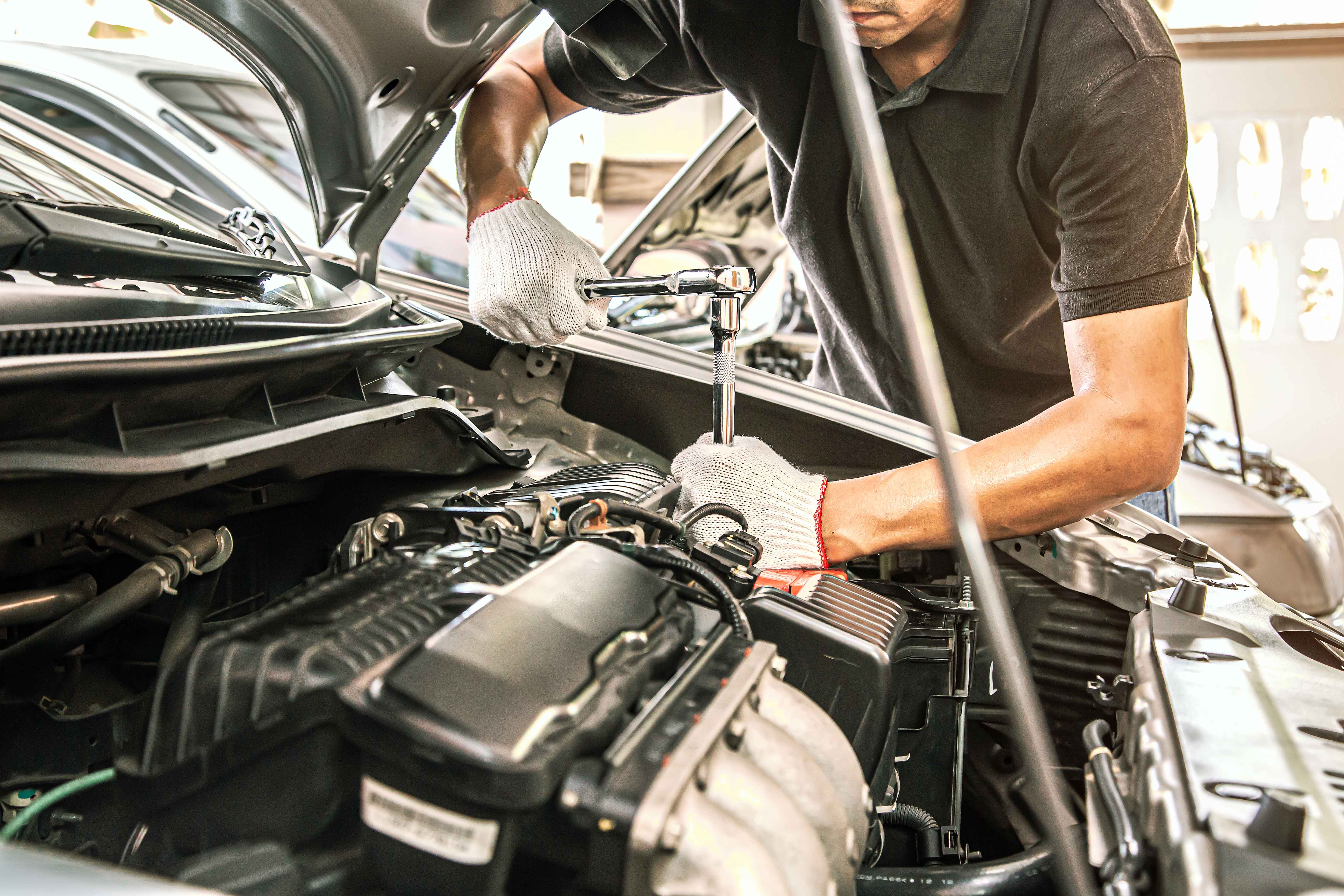
If your vehicle has been off the road for more than 12 months, its registration is cancelled and it can no longer be legally driven. To get it back on the road, the vehicle must complete a full re-registration inspection. This process is more detailed than a standard Warrant of Fitness and often requires preparation, inspection, and repairs before approval.
Fasttrack Compliance simplifies re-registration by managing the entire process onsite at its Penrose (Auckland) and Waltham (Christchurch) branches. From trimming and inspection through to repairs and WOF issuance, everything is handled in one location.
This guide explains how re-registration works, why it is required, and how Fasttrack supports customers through the process.
Re-registration is required when a vehicle has been removed from the active registration system. This commonly happens when:
Even if the vehicle was previously roadworthy, NZTA requires a full inspection to confirm it still meets safety and structural standards.
A WOF confirms a vehicle meets safety standards on the day of inspection.
Re-registration is a full reassessment of the vehicle.
Inspectors must confirm:
Nothing is assumed to be acceptable without verification.
Fasttrack follows a structured process to reduce delays and confusion.
Paperwork is reviewed to confirm vehicle identity and avoid inspection delays.
Interior trims are removed to allow access to structural inspection points.
An authorised inspector completes a full assessment of the vehicle.
If issues are identified, Fasttrack’s workshop completes required repairs onsite.
The inspector checks completed repairs.
Once the vehicle meets standards.
The MR2A form is issued so the vehicle can be registered with new plates.
Fasttrack commonly sees failures caused by:
Fasttrack’s workshop is equipped to address these issues before re-inspection.
Re-registering a vehicle in New Zealand can be complex, but Fasttrack’s Penrose and Waltham branches make the process straightforward by handling everything in one place. With onsite inspectors, experienced technicians, and clear communication, customers can get their vehicles approved and back on the road efficiently.
