Most people searching for compliance inspections want a fast, straightforward process that gets their vehicle approved without stress. Compliance is a detailed, multi-stage inspection that verifies the condition and safety of the vehicle before registration.
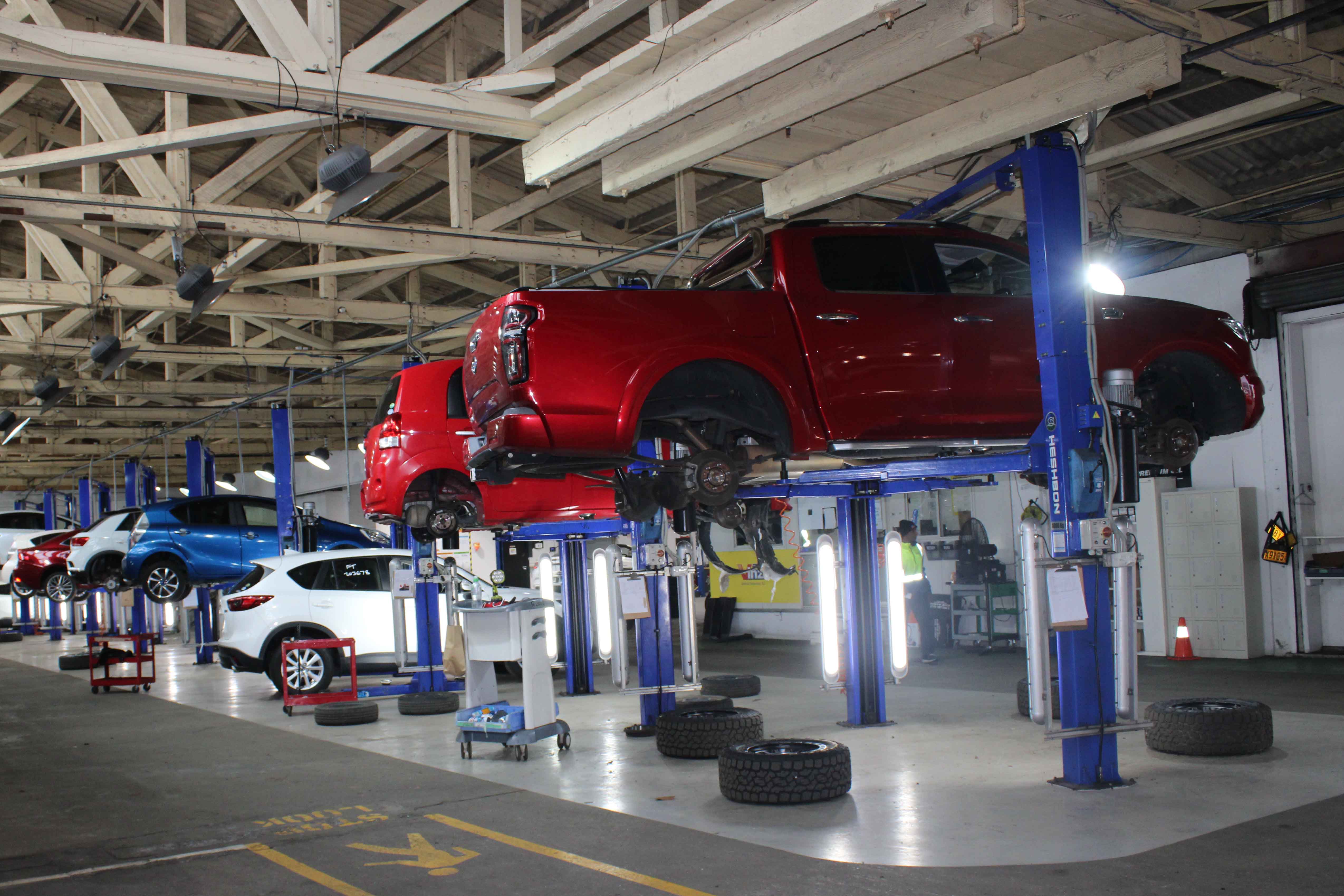
Fasttrack Compliance provides full-service compliance at its Penrose (Auckland) and Waltham (Christchurch) branches. Their speed comes from systems, workshop capability, and preparation processes that work together to reduce delays.
This article explains what happens inside a compliance centre, why Fasttrack is faster, and how customers can support the process.
A compliance inspection is a complete reset of the vehicle’s safety status. Inspectors must assume:
Fasttrack is designed to uncover, assess, and repair these issues in one location.
Interior trims must be removed to reveal:
Most delays happen during trimming because not all centres have trained trimming staff. Fasttrack uses dedicated trimming teams which improves speed.
VIN, chassis numbers, and documents must match. If there is an issue, the inspection pauses. Fasttrack reduces delays by checking documentation before the inspector arrives.
Even small distortions or incorrect repairs can prevent a pass. Fasttrack technicians understand factory welds, standard metal thickness, and correct repair indicators so potential issues are identified early.
Vehicles arriving from overseas often develop issues during transport such as:
Fasttrack repairs these quickly onsite.
ABS, airbag, and steering faults stop progress. Fasttrack completes diagnostic scans and repairs onsite.
Traditional stations require vehicles to leave the site for repairs. Fasttrack handles:
Everything happens in one location.
Daily inspector availability means rechecks happen quickly and documentation is processed without delay.
Compliance is complex but does not have to be slow. Fasttrack’s Penrose and Waltham centres are built for speed through onsite repairs, trimming, and inspection. Customers get a simple and efficient path to compliance.
